Grown in volcanic highlands and shaped by generations of skill, Indonesian tea carries far more than flavor. It carries place, livelihood, and possibility.
A country of remarkable tea, shaped by place and people.
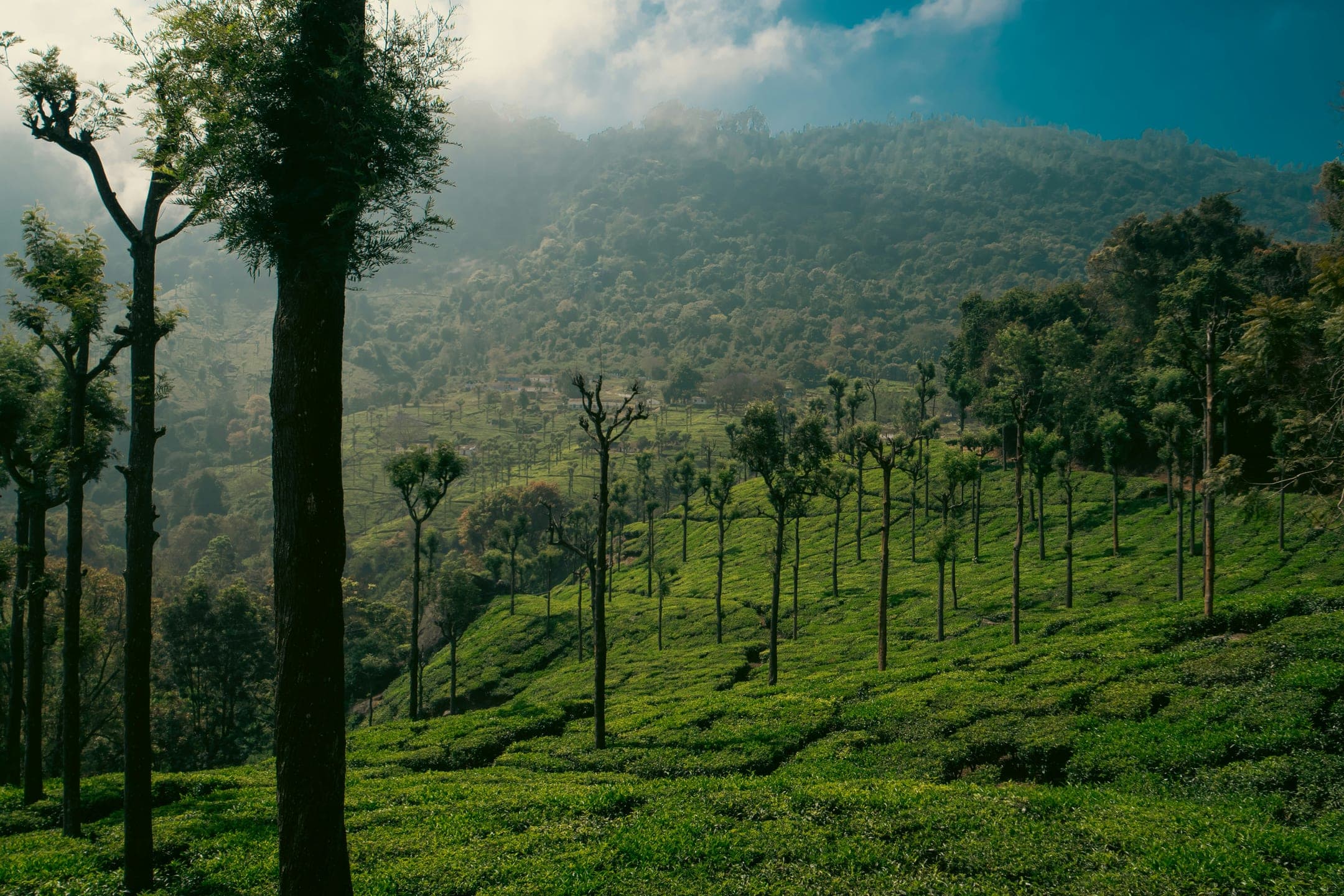
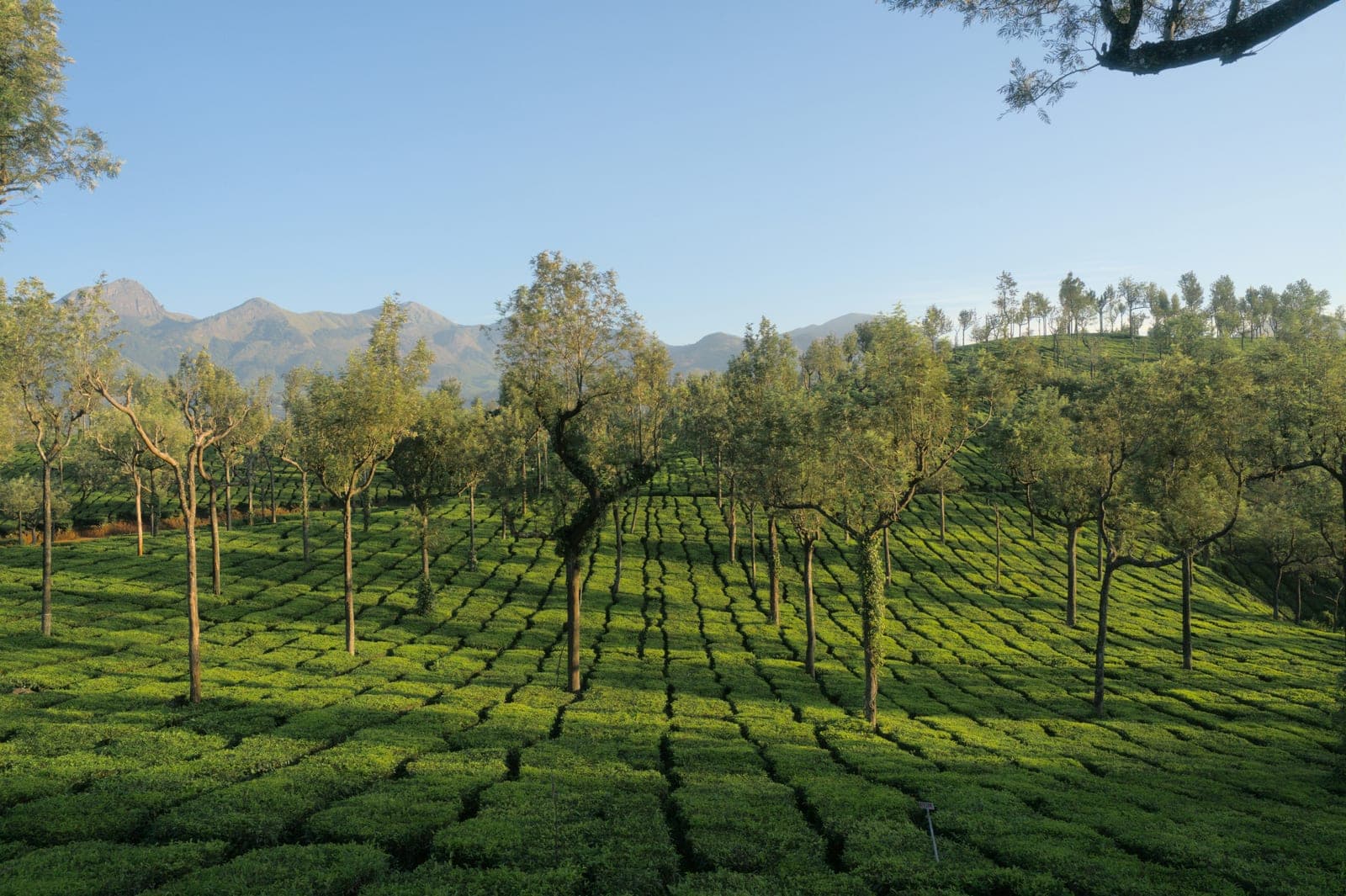
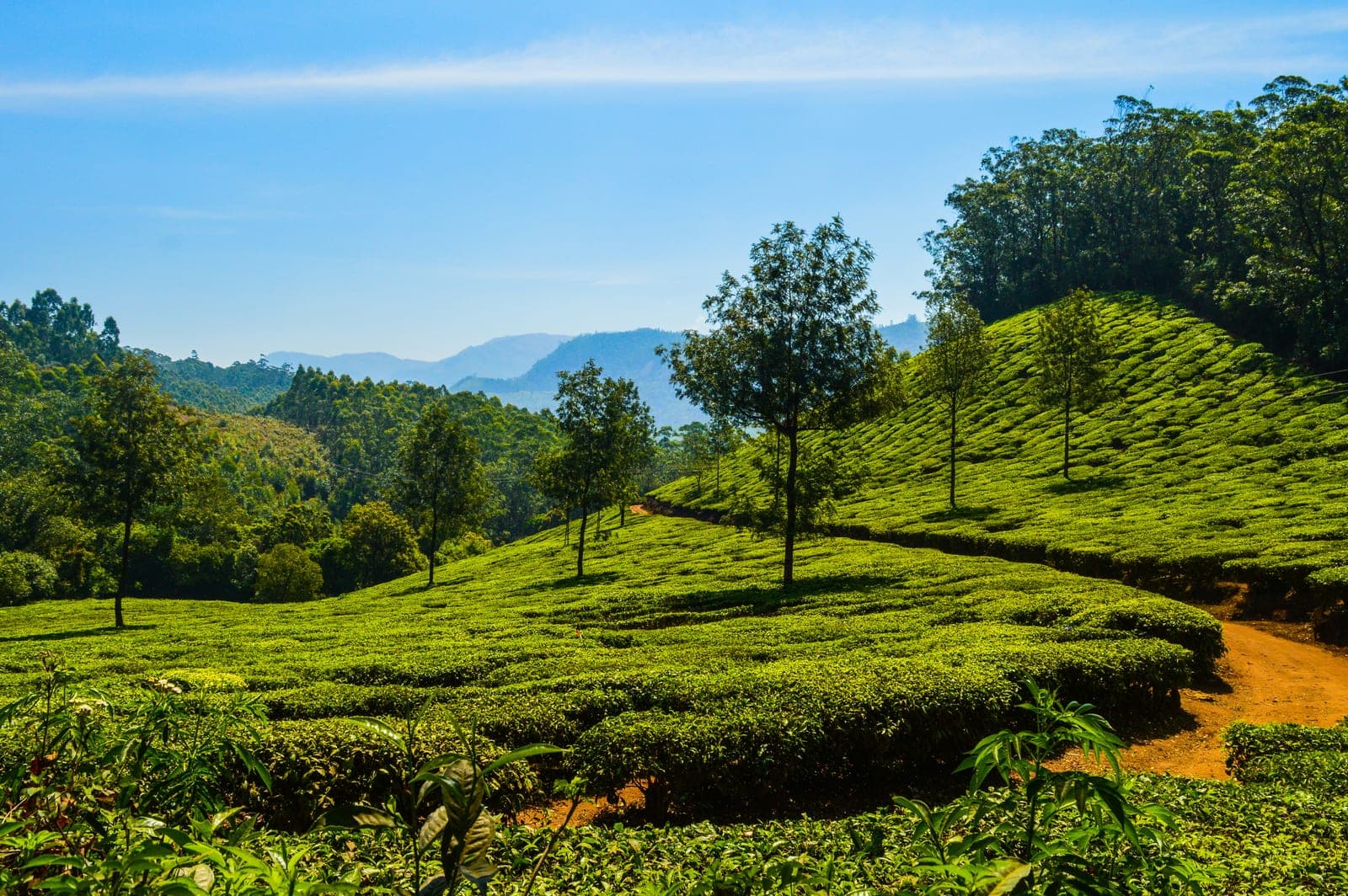
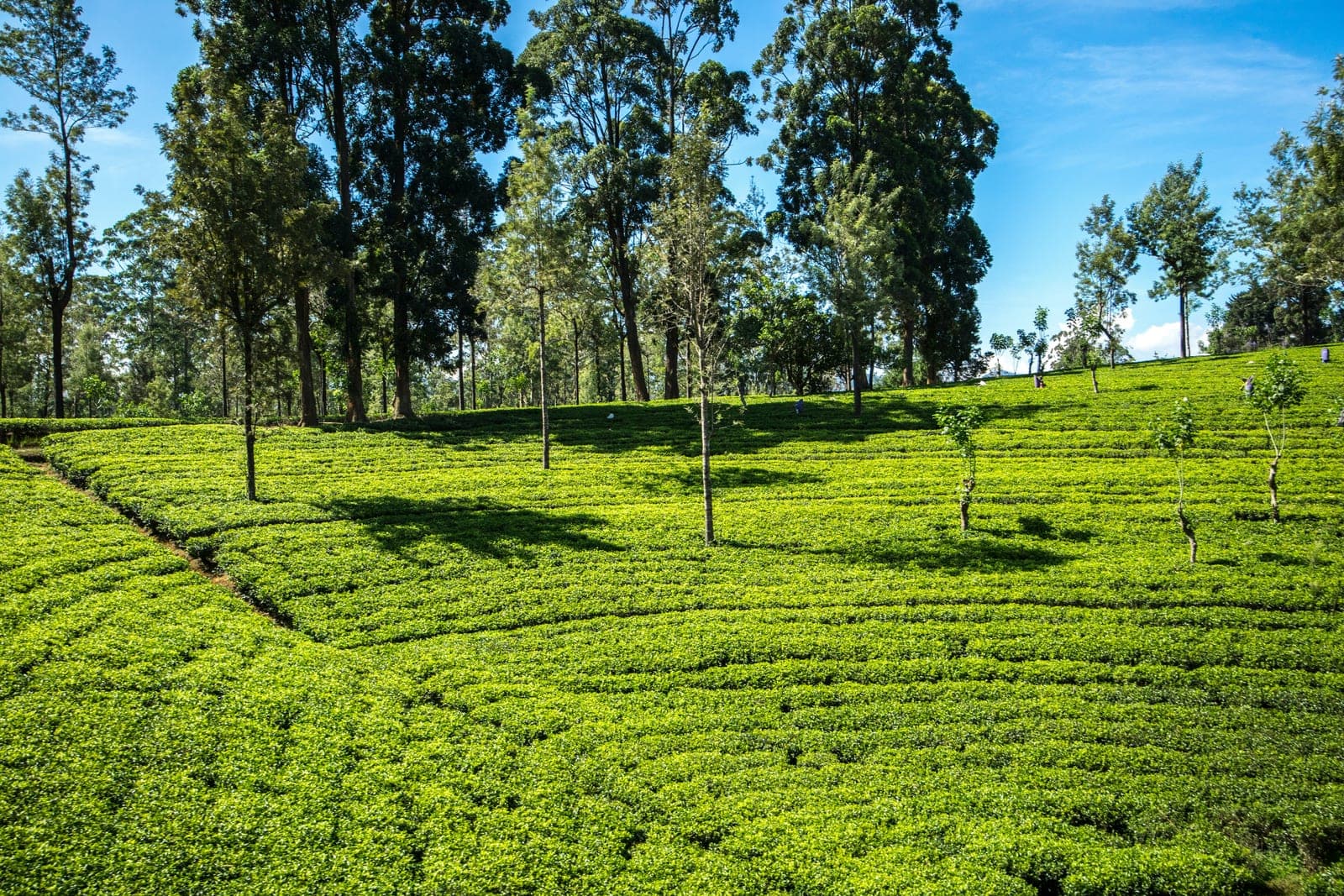
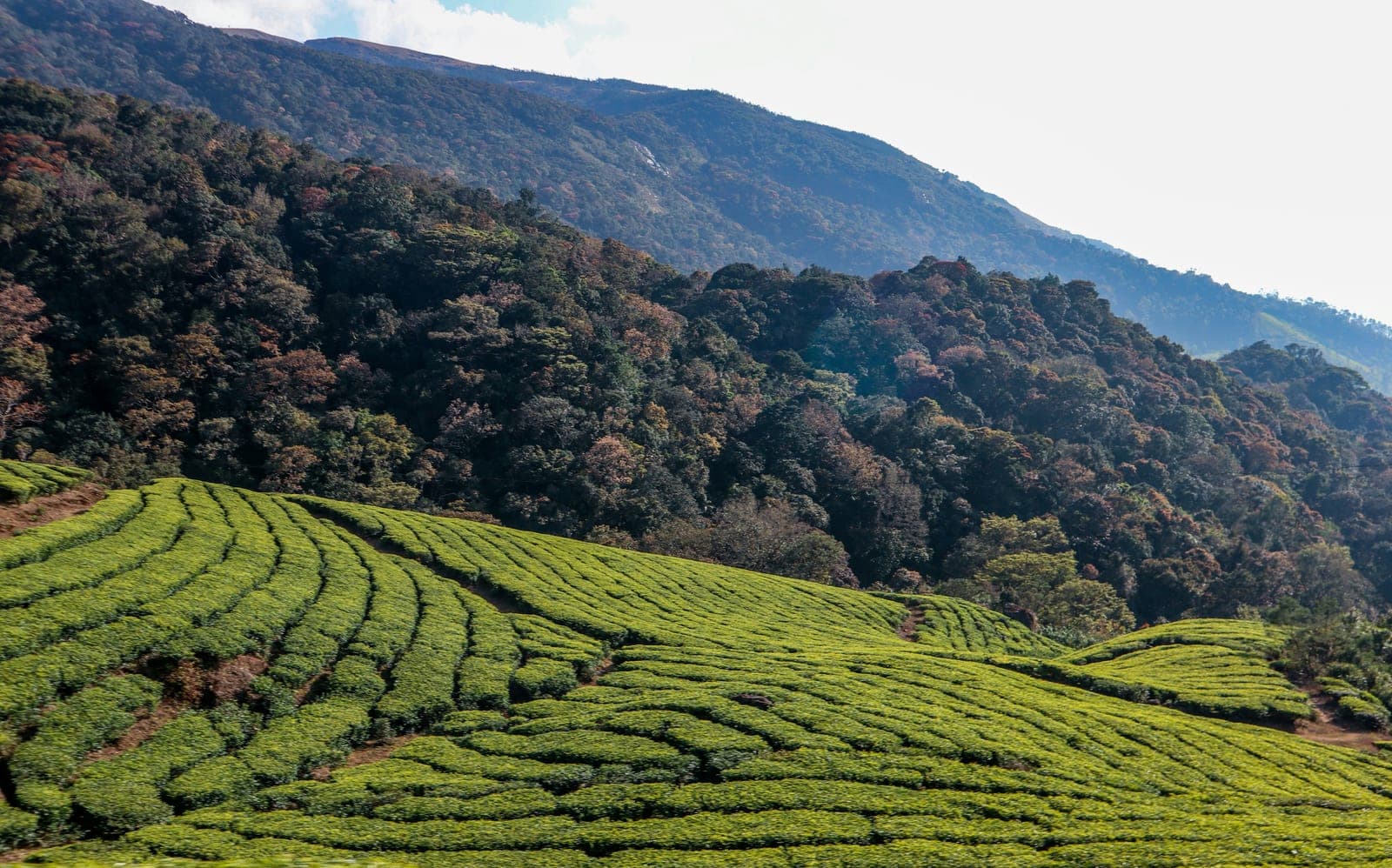
Across Indonesia's volcanic highlands, cool air, fertile soils, and generations of knowledge create teas with distinctive color, aroma, strength, and finish. From established estates to smallholder gardens and emerging specialty makers, every origin offers international buyers and partners a different expression of Indonesia.
Scale, diversity, and growing momentum.
2024118,895 t
recorded tea production
202440.55%
of volume grown by smallholders
202526,891 t
bulk black tea exported
20251.9%
share of world tea exports
Who produces the tea?
2024
40.55%Smallholder estates
39.43%State estates
20.02%Private estates
The footprint
97,539 ha
tea-growing area in 2024
The heartland
79.21%
of tea area is in West Java
88.1%
Export signature
of 2024 tea export volume was bulk black tea
Momentum in 2024
+2.05%
production growth from 2023
5
leading tea-growing provinces
The archipelago changes the cup.
From Sumatra's volcanic ridges to Java's cool mountain basins, elevation, rainfall, soil, and local practice give every origin a different voice.
Four landscapes. One living archive.
North SumatraSidamanik
A historic highland landscape
JambiKayu Aro
Tea beneath volcanic horizons
West JavaGambung & Pangalengan
The heartland of Indonesian tea
Central JavaWonosobo
High-elevation gardens and new possibility
Indonesia has no single taste of tea.
01
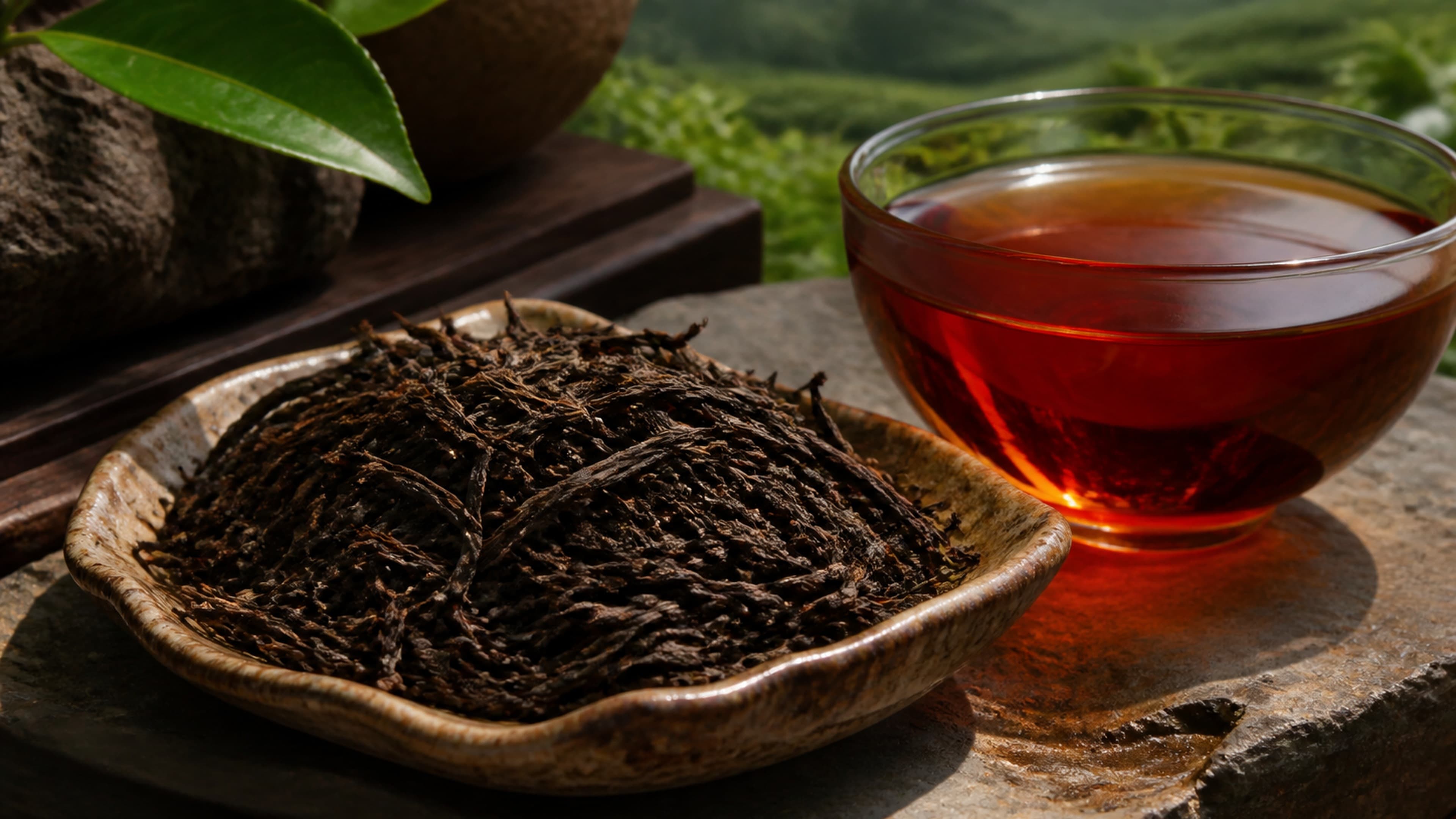
Orthodox black
Whole-leaf character shaped through rolling, oxidation, and careful grading.
02
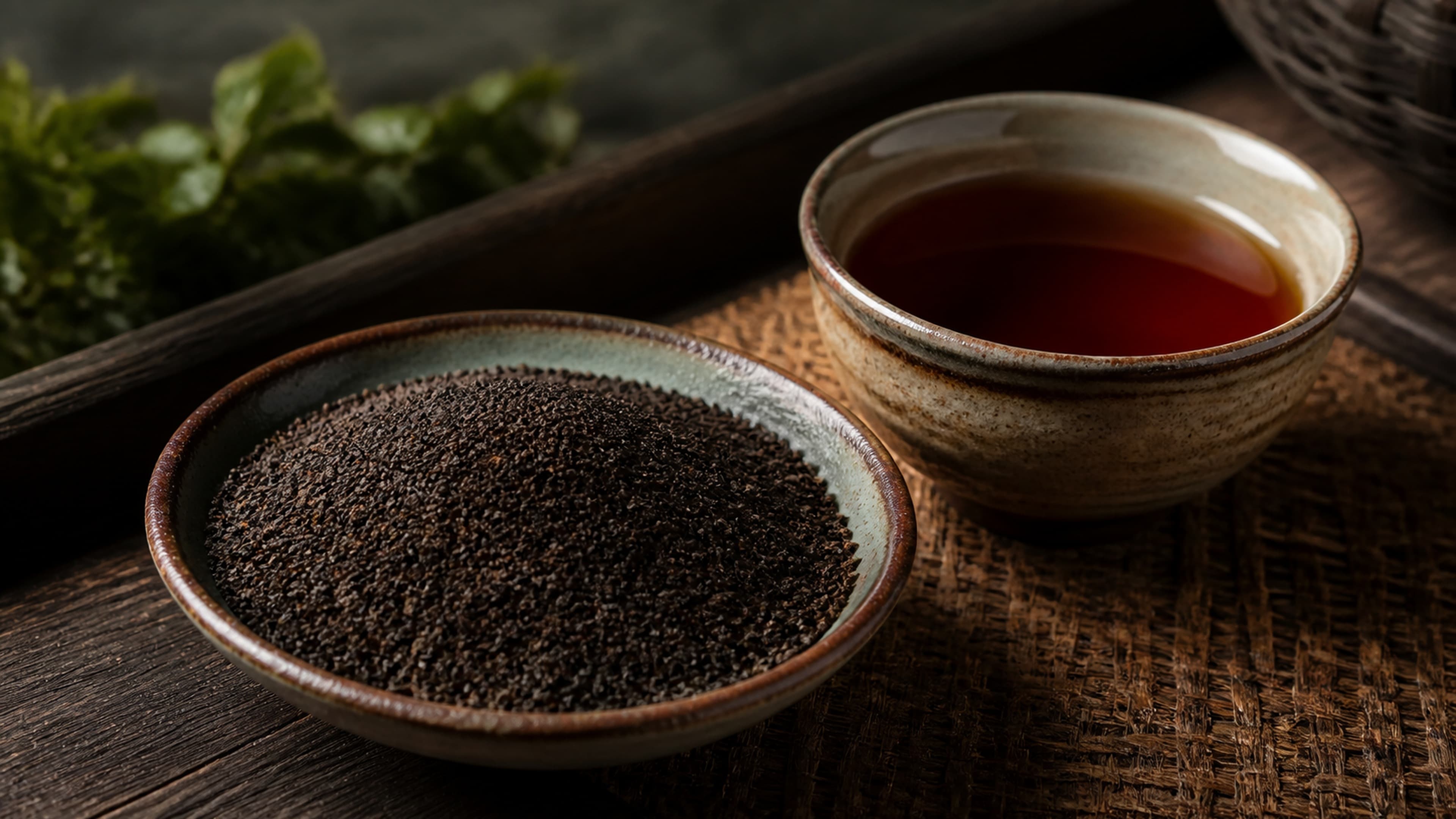
CTC black
A bold, consistent cup made for strength, color, and efficient blending.
03
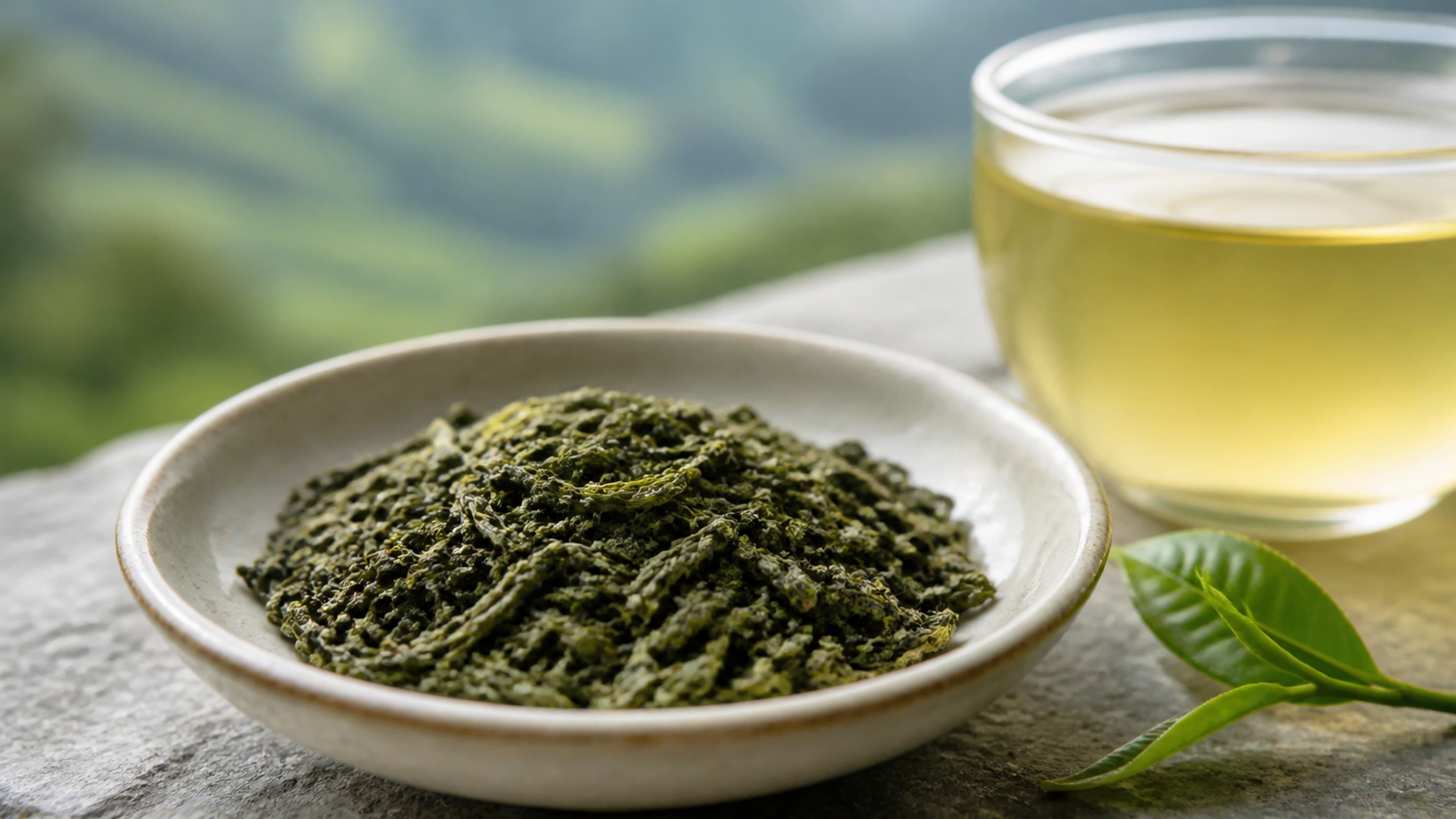
Green tea
Fresh, vegetal expressions whose clarity depends on fast, precise handling.
04
White & specialty
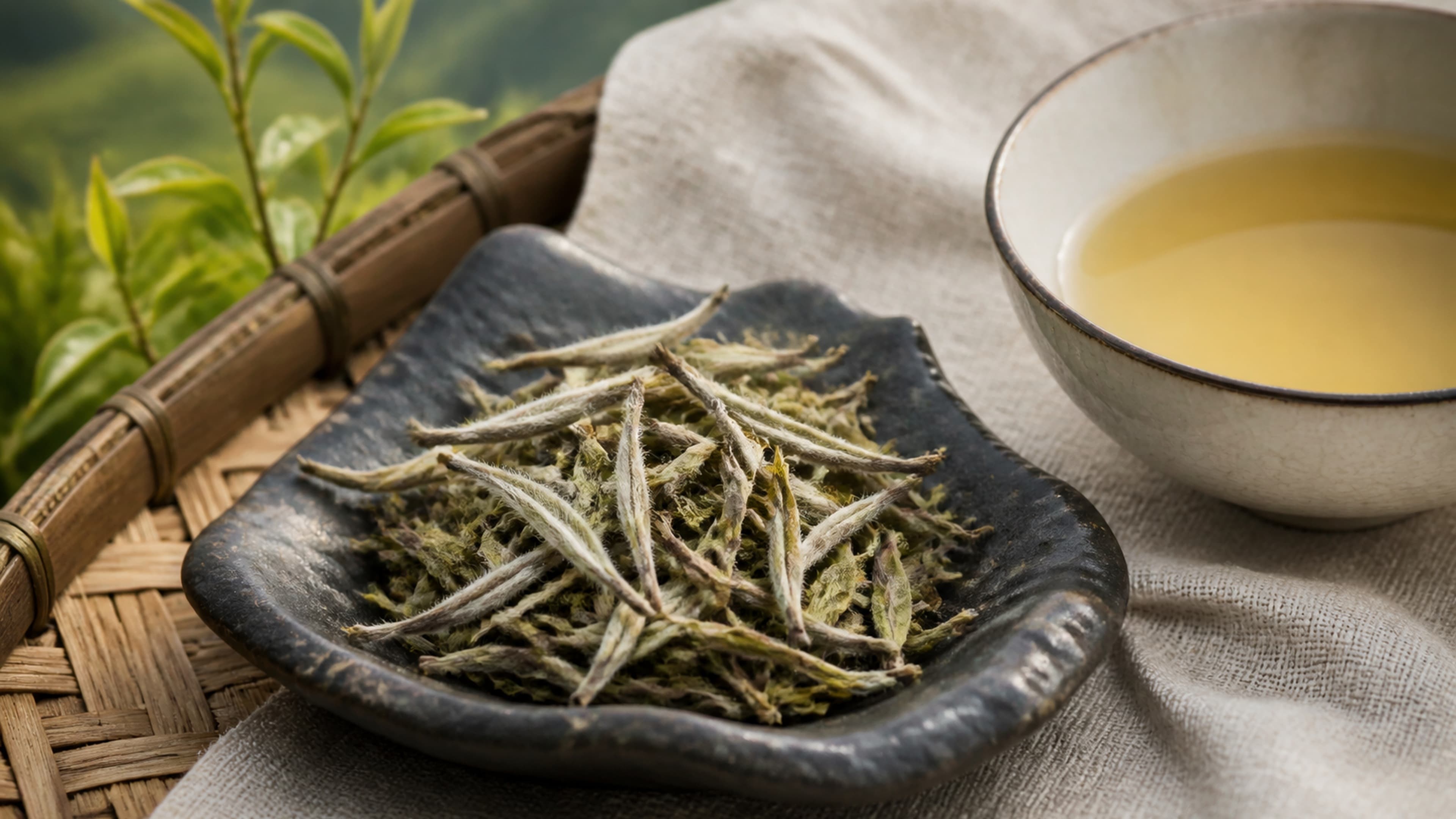
Small-batch teas that let cultivar, place, and a maker's choices speak more clearly.
Picked by hand. Defined by judgment.
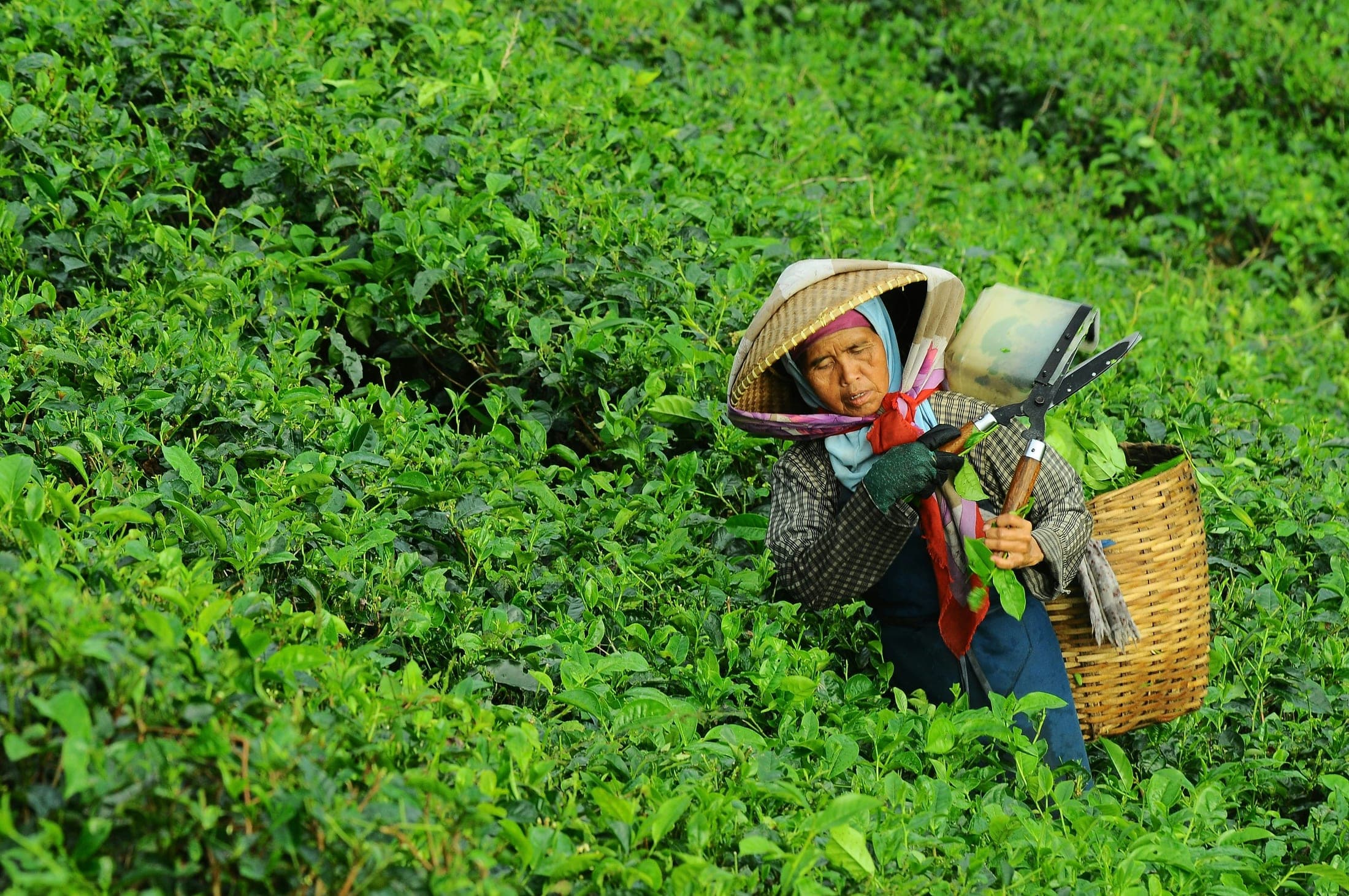
Tea begins changing the moment it is picked. The timing of the harvest, the condition of the leaf, and every choice in withering, rolling, oxidation, drying, and grading shape what finally reaches the cup. Much of that work is carried by women and by knowledge learned over years. Its value should remain visible.
A tea becomes valuable when its story stays intact.
Garden
Elevation, rain, soil, cultivar, and stewardship begin shaping the cup.
Leaf
A time-sensitive harvest carries the first evidence of quality and origin.
Making
Factory decisions transform fresh leaf into a distinct and repeatable expression.
Market
Recognition grows when origin, quality, documentation, and story travel together.
Let origin speak. Let value travel.
Indonesia's tea future depends on connecting what growers and makers know with what buyers can see and trust. Better records can help quality, origin, and stewardship travel with every leaf, so more value returns to the people and places that create it.